


FPV Drone Defense 101
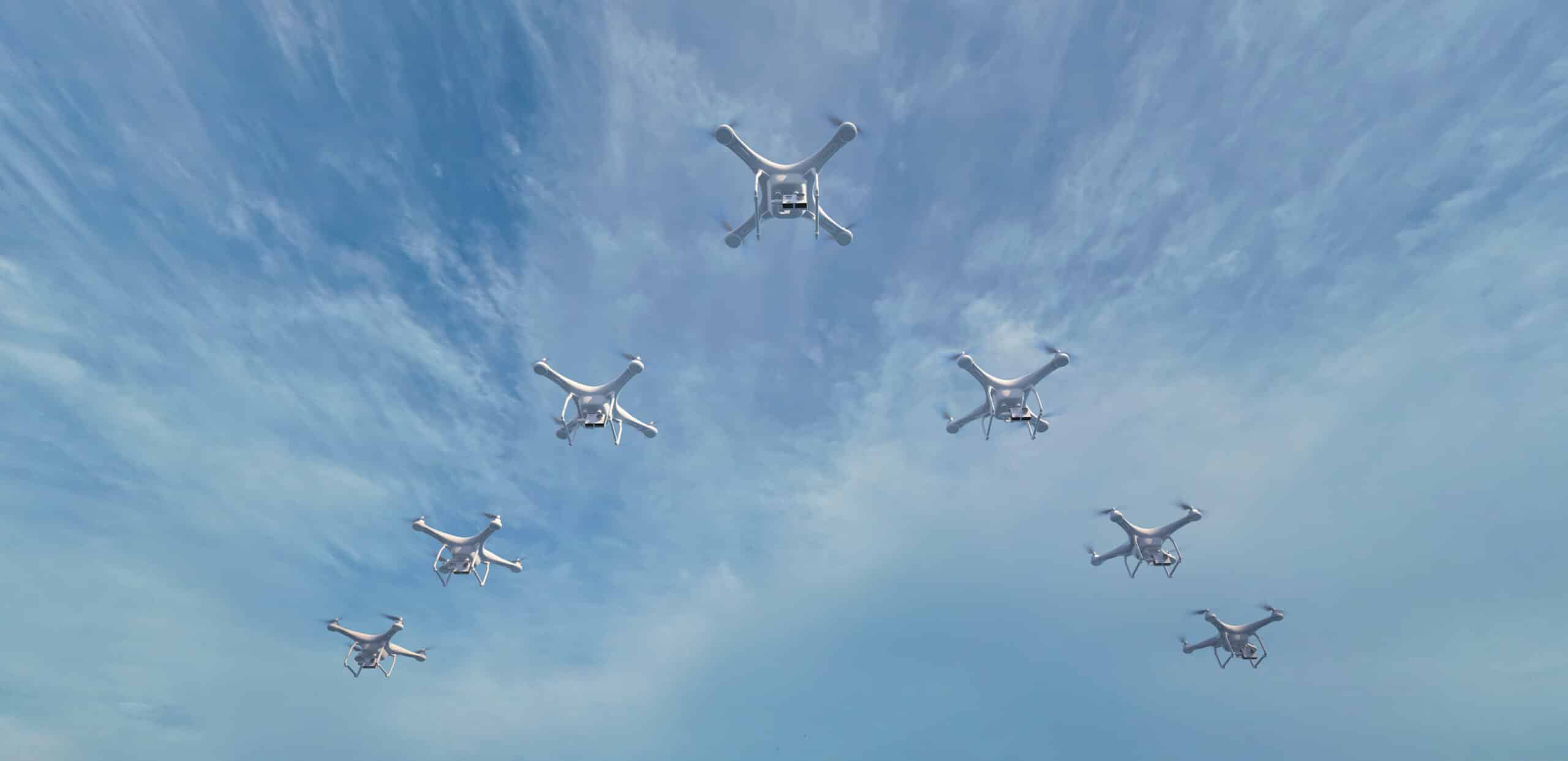
Unmanned aerial systems have changed the modern security landscape. What began as a niche technology used for reconnaissance and hobby photography has evolved into a powerful tool capable of surveillance, disruption, and targeted attack. Among the most challenging threats today are FPV (First-Person View) drones, which combine speed, maneuverability, and real-time operation control. These platforms are increasingly used in both conflict zones and security incidents, creating a growing need for effective FPV drone defense strategies.
Organizations responsible for protecting people, infrastructure, and sensitive environments must now consider how to implement reliable drone defense capabilities. From individual hostile drones to coordinated swarms, the threat spectrum continues to expand. As a result, modern anti-drone defense must address not only traditional aerial surveillance but also the growing risk of direct defense against drone attacks.
This guide explores the fundamentals of FPV drone threats, the technologies used to counter them, and how modern defense-grade drone security strategies are evolving to keep pace with rapidly advancing unmanned systems.
What Are FPV Drones and Why Are They Dangerous?
FPV (First-Person View) refers to drones that transmit a live video feed directly to the operator. Instead of relying solely on automated flight paths or GPS navigation, the pilot controls the drone while viewing the camera feed in real time. This allows for extremely precise maneuvering, rapid directional changes, and low-altitude navigation.
These characteristics make FPV drones particularly effective in high-risk scenarios. Operators can guide them through tight spaces, around obstacles, and directly toward specific targets. In hostile contexts, FPV drones can be used for reconnaissance, targeting, electronic disruption, or physical attacks.
The combination of speed, control, and affordability makes FPV drones difficult to stop with conventional security measures. Traditional perimeter defenses such as fencing, cameras, and ground patrols do little to address airborne threats. As a result, organizations are increasingly investing in dedicated defense against drones as part of broader security strategies.
The Growing Challenges of Drone Swarm Defense
While a single drone can present a significant threat, coordinated drone groups introduce an even greater challenge. Drone swarms are multiple drones operating simultaneously, sometimes controlled by multiple operators or automated coordination systems. In such situations, drone-swarm defense becomes exponentially more difficult.
A swarm can overwhelm detection systems, distract defenders, or approach from multiple directions at once. Even small drones can create serious disruption when used in large numbers. For this reason, defense against drone swarm scenarios has become a major focus of modern counter-drone planning. Defending against swarm attacks requires layered solutions capable of detecting multiple airborne threats, tracking them simultaneously, and responding quickly before they reach critical proximity.
The Foundations of Modern Drone Defense
Effective drone defense strategies rely on three core components: detection, identification, and mitigation.
Detection is the process of identifying a drone’s presence in potential airspace. This may involve radar systems, radio-frequency monitoring, or visual sensors capable of spotting drones at various distances.
Identification follows detection and helps determine whether the drone is authorized, recreational, commercial, or potentially hostile. This step is crucial for determining the appropriate response.
Mitigation is the final stage, where systems are used to stop or neutralize the drone. Mitigation methods vary depending on the environment and threat level, ranging from electronic countermeasures to physical interception or kinetic engagement.
Together, these elements form the foundation of modern defense against hostile drones.
Why Traditional Security Measures Fall Short
Many traditional security systems were designed for ground-based threats. Access control systems, surveillance cameras, and physical barriers protect buildings and perimeters but offer little protection from aerial intrusions. FPV drones exploit this gap by flying low, navigating around obstacles, and approaching from unexpected angles. Because of their small size and high speed, they can be difficult to detect until they are already close to their target.
This reality highlights the need for specialized defense from drones that focuses specifically on aerial threats. Without dedicated counter-drone capabilities, organizations may remain vulnerable to attacks that bypass conventional defenses entirely.
4 Key Technologies Used in FPV Drone Defense
Modern anti-drone defenses rely on several categories of technology designed to address different aspects of the threat.
1. Detection and Monitoring Systems
Detection technologies are the first line of defense against drones. Radar systems designed for small aerial targets can detect drones at longer distances, while radio-frequency sensors can detect communication links between drones and their operators.
Electro-optical and infrared cameras provide visual confirmation, allowing security teams to identify and track drones in real time. These technologies work together to create situational awareness and provide early warning of potential threats.
2. Electronic Countermeasures
Newer threats, such as fiber optic-controlled drones, highlight a growing challenge for electronic countermeasures, since these systems operate without RF communication that can be jammed or spoofed. Electronic countermeasures disrupt the signals used by many drones for navigation and communication. Jamming systems interfere with radio frequency links, while spoofing systems manipulate navigation signals to redirect or disable drones.
These tools can be effective against many wireless drones. However, FPV drones and other modern platforms may use technologies designed to resist electronic interference. In these cases, relying solely on electronic methods may not provide adequate defense against drone attacks.
3. Physical Interception Systems
Some counter-drone systems rely on physically intercepting or capturing drones. These methods include interceptor drones, net-launching systems, or mechanical devices. While these approaches can remove drones from the air, they are often limited by speed, range, and operational complexity. In high-speed FPV scenarios, interception systems may struggle to respond quickly enough to neutralize the threat.
4. Kinetic Drone Defense
Where other methods fail or cannot be used, kinetic solutions provide the final layer of defense against hostile drones. Kinetic drone defense physically disables the drone, ensuring the threat is neutralized regardless of how it is controlled.
Operators evaluating kinetic options often look for detailed technical data on projectile design, compatible weapon systems, and expected performance against aerial targets.
Kinetic options may include specialized projectile systems or purpose-built ammunition designed specifically for aerial targets. These solutions do not rely on signal disruption, making them effective even against drones that are resistant to electronic countermeasures.
While shotguns are sometimes suggested as a quick response to low-flying drones, their limited range and energy retention often make them less effective than purpose-built counter-drone ammunition.
Real-world testing has demonstrated how specialized counter-drone ammunition can improve hit probability and engagement effectiveness against fast-moving aerial threats.
The Importance of Layered Defense
Effective airspace protection rarely relies on a single solution; instead, it combines multiple technologies to create a layered defense capable of addressing different drone threats. No single technology can address every drone threat. The most effective defense-grade drone security strategies combine multiple systems to create a layered defense architecture. Detection technologies provide early warning, allowing defenders to track drones before they reach critical areas. Electronic countermeasures can disrupt many wireless drones and reduce the number of threats that reach a closer range. Kinetic systems provide the final layer of protection when other methods are ineffective or when a direct neutralization is required. This layered approach ensures that security teams maintain multiple options for responding to evolving drone threats.
Preparing for the Future of Drone Threats
Drone technology continues to advance rapidly. Autonomous navigation, improved sensors, and alternative communication systems are making drones more resilient and capable than ever before. The widespread use of FPV drones in Ukraine has demonstrated how inexpensive aerial systems can reshape modern combat and accelerate innovation in counter-drone tactics. These developments mean that organizations responsible for defense from drones must continuously adapt their strategies. What worked against earlier generations of drones may not be effective against newer systems designed to bypass traditional countermeasures.
Future drone swarm defense strategies will likely rely on integrated systems capable of detecting, tracking, and responding to multiple threats simultaneously. Advances in artificial intelligence and sensor technology are already improving the ability to manage complex aerial-threat environments. At the same time, kinetic counter-drone solutions are becoming increasingly important as adversaries develop drones designed to resist electronic disruption.
Strengthen Your FPV Drone Security with Drone Round
As drone threats continue to evolve, organizations must ensure their anti-drone defenses include reliable mitigation options. Drone Round focuses on delivering a critical kinetic layer of protection through specialized counter-drone ammunition engineered to physically disable aerial threats.
Designed for use in standard 5.56 and 7.62×51 platforms, Drone Round’s ammunition integrates directly into existing weapon systems without requiring additional modifications or specialized equipment. This allows operators to address aerial threats with the tools they already carry, improving response capability against fast-moving FPV drones and other hostile platforms.
When electronic countermeasures are ineffective and physical takedown is required, Drone Round provides a purpose-built solution for defense against drone attacks, including threats from FPV drones and coordinated swarm activity.
If your mission requires dependable defense against hostile drones, Drone Round offers a kinetic capability designed specifically for modern aerial threats. Explore Drone Round today to strengthen your FPV drone defense and ensure your airspace protection strategy includes a reliable final layer.